In the world of construction, cement has long been a stalwart binder, holding together the bricks and mortar of our built environment and acting as the glue in various types of concrete mix designs. However, as we navigate an era of increasing environmental consciousness and resource scarcity, it’s time to explore innovative, high performance, engineered alternative binders that not only match the performance of cement but also offer additional benefits.
Here are five reasons to consider embracing alternative low-carbon cementitious binders:
1. Environmental Impact: Sustainable Construction
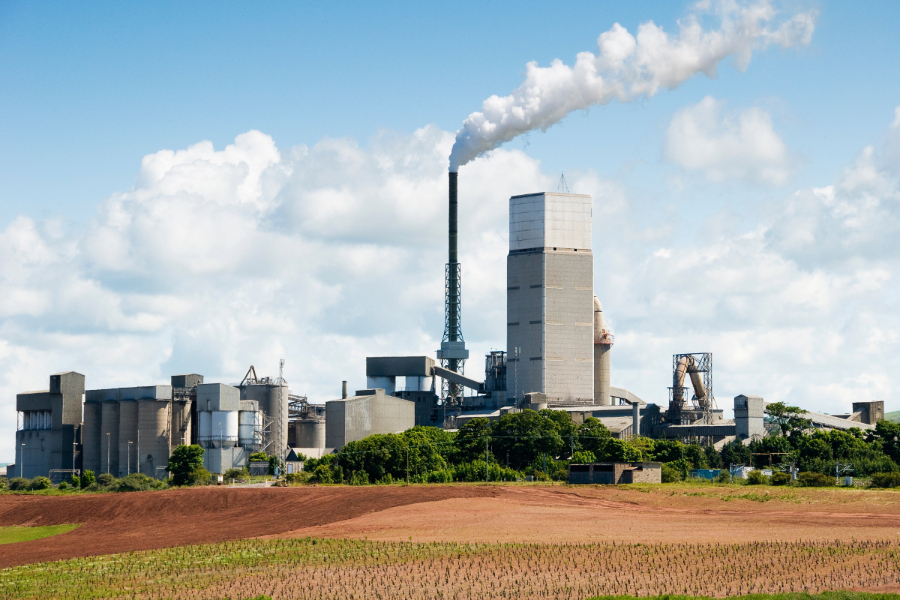
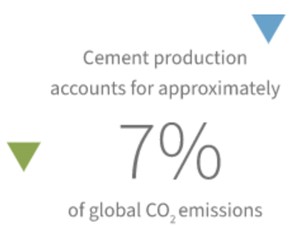
Traditional cement production is notorious for its high carbon footprint. The process of manufacturing cement releases a significant amount of carbon dioxide into the atmosphere, contributing to climate change. In contrast, alternative binders (including traditional supplementary cementitious materials (SCMs) such as fly ash and slag and other novel engineered cementitious binders) often boast a lower environmental impact. With alternative binders, builders can reduce their carbon footprint and contribute to the shift towards more sustainable construction practices.
2. Resource Efficiency: Reducing Dependence on Coal
Traditional manufacturing processes of cement and SCMs rely heavily on the burning of coal. With the global shift towards cleaner and more sustainable energy sources, many coal-fired power plants are shutting down or transitioning to alternative energy sources, reducing the availability of cementitious by-products. As these resources become scarcer, the construction industry needs alternatives that are more abundant and sustainable. Alternative cementitious binders produced using naturally sourced reactive materials, offer a solution by reducing dependence on traditional raw materials. This not only conserves resources but also promotes a circular economy by repurposing natural resources into valuable construction materials.
3. Durability and Performance: Meeting and Exceeding Standards
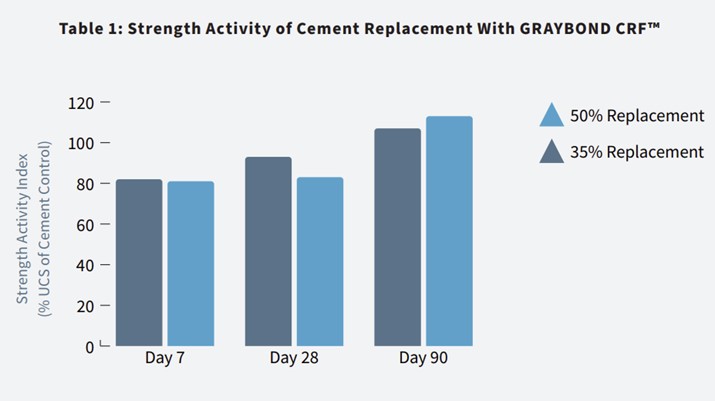
While cement is known for its strength and durability, alternative binders are catching up, often surpassing traditional standards. By carefully selecting alternative binders based on the intended use, and mixing them in the right proportion with cement, builders can achieve structures that not only meet but potentially exceed performance expectations.
4. Versatility in Applications: Tailored Solutions for Varied Needs
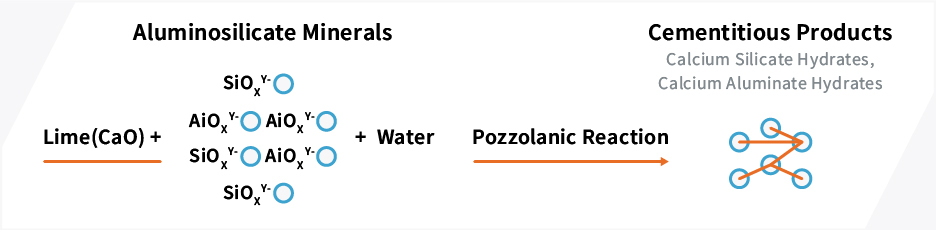
Alternative binders offer a wide range of formulations that can be tailored to specific project requirements. Lime-based binders, for instance, are known for their versatility and compatibility with various materials. Lime activates clay minerals and other naturally reactive aluminosilicates to build strength through pozzolanic reactions. This adaptability allows architects and builders to explore creative designs and construction methods, opening doors to new possibilities in architectural innovation.
5. Cost-Efficiency in the Long Run: Considering Lifecycle Costs
While the initial cost of alternative binders may sometimes be higher than traditional cement, it’s crucial to consider the long-term benefits. Some alternative binders require less energy for production, potentially resulting in lower lifecycle costs. Additionally, their durability can lead to reduced maintenance and repair expenses over the lifespan of a structure, making them financially competitive in the long run.

Combine Performance and Responsibility With Alternative Binders
The construction industry has an opportunity to embrace alternative binders to achieve environmental goals, optimize resource use, and gain performance advantages. By considering alternative binders, builders and architects can contribute to a more sustainable and resilient future, where structures are not only strong and durable but also environmentally friendly.
Discover GRAYBOND™ by Graymont
The Graymont team is ready to assist our partners in the development of their low-carbon cementitious solutions with our GRAYBOND™ lime-based binder designed to meet your specific needs.