 Explore how alternative low-carbon cementitious binders in
the construction industry not only match the performance of
cement but also offer additional benefits, including achieving
environmental goals, optimizing resource use and gaining
performance advantages.
The post Five Reasons to Consider Alternative Binders Instead of Cement in the Construction Industry appeared first on GRAYBOND Insights Hub.
]]>In the world of construction, cement has long been a stalwart binder, holding together the bricks and mortar of our built environment and acting as the glue in various types of concrete mix designs. However, as we navigate an era of increasing environmental consciousness and resource scarcity, it’s time to explore innovative, high performance, engineered alternative binders that not only match the performance of cement but also offer additional benefits.
Here are five reasons to consider embracing alternative low-carbon cementitious binders:
1. Environmental Impact: Sustainable Construction
Traditional cement production is notorious for its high carbon footprint. The process of manufacturing cement releases a significant amount of carbon dioxide into the atmosphere, contributing to climate change. In contrast, alternative binders (including traditional supplementary cementitious materials (SCMs) such as fly ash and slag and other novel engineered cementitious binders) often boast a lower environmental impact. With alternative binders, builders can reduce their carbon footprint and contribute to the shift towards more sustainable construction practices.
2. Resource Efficiency: Reducing Dependence on Coal
Traditional manufacturing processes of cement and SCMs rely heavily on the burning of coal. With the global shift towards cleaner and more sustainable energy sources, many coal-fired power plants are shutting down or transitioning to alternative energy sources, reducing the availability of cementitious by-products. As these resources become scarcer, the construction industry needs alternatives that are more abundant and sustainable. Alternative cementitious binders produced using naturally sourced reactive materials, offer a solution by reducing dependence on traditional raw materials. This not only conserves resources but also promotes a circular economy by repurposing natural resources into valuable construction materials.
3. Durability and Performance: Meeting and Exceeding Standards
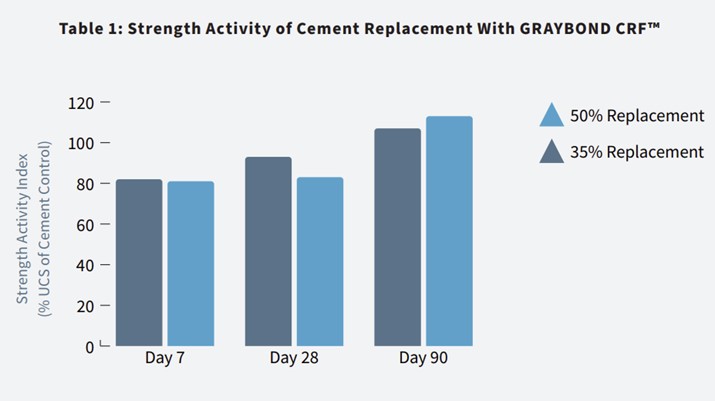
While cement is known for its strength and durability, alternative binders are catching up, often surpassing traditional standards. By carefully selecting alternative binders based on the intended use, and mixing them in the right proportion with cement, builders can achieve structures that not only meet but potentially exceed performance expectations.
4. Versatility in Applications: Tailored Solutions for Varied Needs
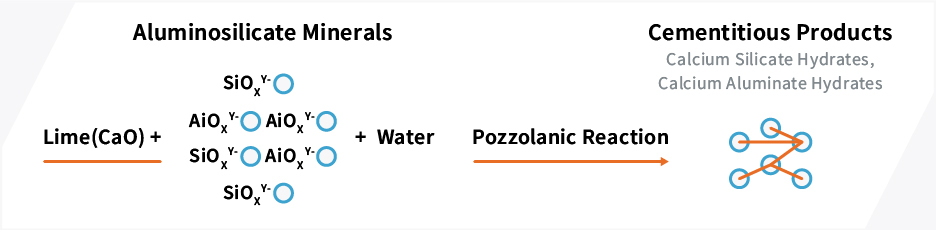
Alternative binders offer a wide range of formulations that can be tailored to specific project requirements. Lime-based binders, for instance, are known for their versatility and compatibility with various materials. Lime activates clay minerals and other naturally reactive aluminosilicates to build strength through pozzolanic reactions. This adaptability allows architects and builders to explore creative designs and construction methods, opening doors to new possibilities in architectural innovation.
5. Cost-Efficiency in the Long Run: Considering Lifecycle Costs
While the initial cost of alternative binders may sometimes be higher than traditional cement, it’s crucial to consider the long-term benefits. Some alternative binders require less energy for production, potentially resulting in lower lifecycle costs. Additionally, their durability can lead to reduced maintenance and repair expenses over the lifespan of a structure, making them financially competitive in the long run.

Combine Performance and Responsibility With Alternative Binders
The construction industry has an opportunity to embrace alternative binders to achieve environmental goals, optimize resource use, and gain performance advantages. By considering alternative binders, builders and architects can contribute to a more sustainable and resilient future, where structures are not only strong and durable but also environmentally friendly.
Discover GRAYBOND by Graymont
The Graymont team is ready to assist our partners in the development of their low-carbon cementitious solutions with our GRAYBOND lime-based binder designed to meet your specific needs.
The post Five Reasons to Consider Alternative Binders Instead of Cement in the Construction Industry appeared first on GRAYBOND Insights Hub.
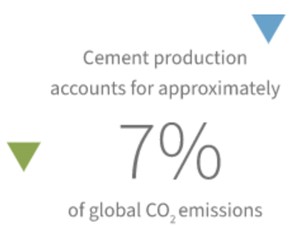
]]>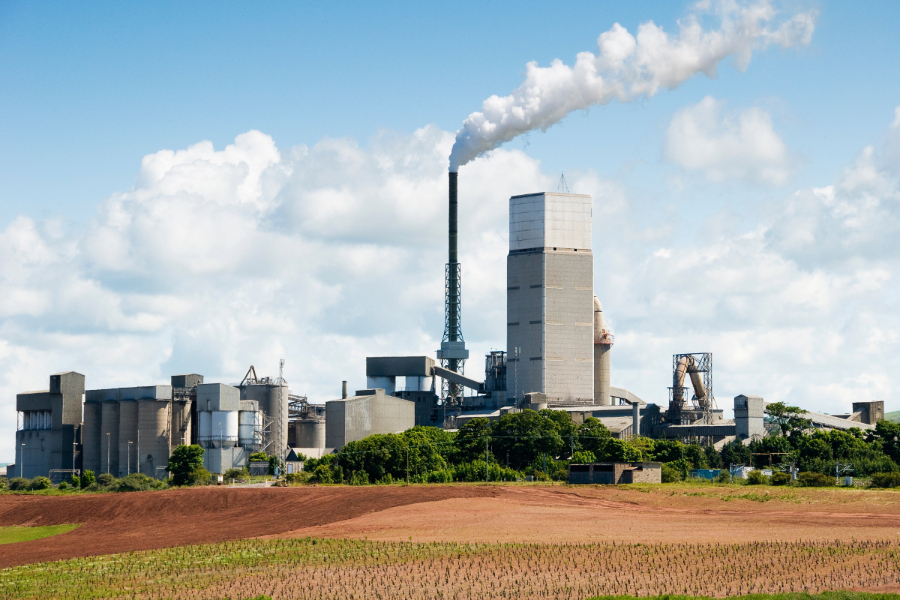 Cement production is one of the largest industrial sources of carbon emissions and accounts for approximately 7% of global CO2 emissions, making it a major contributor to climate change and putting pressure on industries to find new solutions.
The post How to Reduce the Carbon Footprint of Cement With the Right Cement Binder appeared first on GRAYBOND Insights Hub.
]]>Cement production is one of the largest industrial sources of carbon emissions and accounts for approximately 7% of global CO2 emissions, making it a major contributor to climate change and putting pressure on industries to find new solutions. The energy required to make cement is a core driver of its significant scope 3 emissions that can impact sustainability goals, supply chain eligibility and taxation. How can new solutions, like alternative cement binders, help make the use of cement more environmentally friendly? This article will explore how mixing the right low-carbon alternative cement binder with cement can reduce the carbon footprint of cement by up to 50%.
Low-carbon alternative cement binders replace a portion of traditional cement
Traditional cement, typically known as Portland cement, is composed of “clinker” that is produced in high temperature kilns fueled by coal, natural gas and other petrochemicals, and wastes (e.g. tires) to heat the cement mix and calcine (heat treat it) to transform it into a cementitious material. This process emits a high amount of carbon dioxide per ton of cement product, both as a consequence of emissions from limestone calcining and the fuel combustion.
A low-carbon cementitious binder, as the name suggests, is capable of replacing 15-to-50% of the cement in various mining and construction applications with no compromise in performance and a significantly lower greenhouse gas footprint.
Why are cement binders more environmentally friendly?
A low-carbon cement binder reduces GHG/carbon because the materials involved in production are either naturally active or require low-energy activation methods. In addition, the production process is not dependent on other carbon-intensive processes; unlike fly ash, another potential binder, that relies on coal power production. With the right binder provider, you can even reduce overall binder consumption by optimizing the chemical composition based on project-specific needs. A high-performance versatile engineered alternative cement binder is adaptable to various cement chemistries, aggregate types and mineralogies.
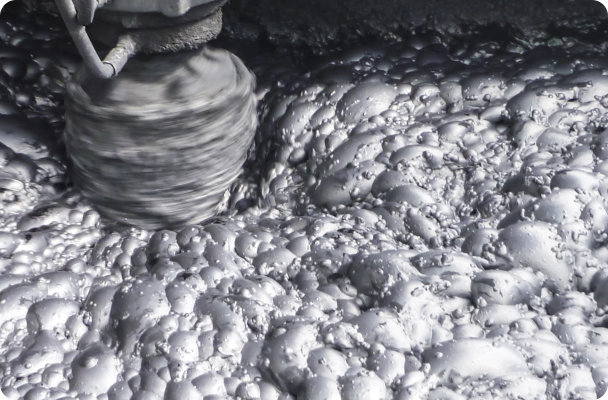
Key applications for low-carbon cement binders
The construction industry is the largest consumer of cement, which is a key component of concrete used for construction of roads, bridges, foundations, residential buildings, and various other essential infrastructure. Cement is also widely used in many other industrial applications including mining, soil treatment, oil and gas etc. Other cement users include Ready-Mix concrete producers, general civil works contractors, precast concrete industry, concrete block manufacturers, oil and gas well casting etc.
The high GHG footprint from cement presents a significant challenge for industries who have set aggressive GHG reduction targets. For instance, in mining operations, cement can be responsible for up to 70% of the total GHG footprint of mine backfilling processes.
Cement can be responsible for up to 70% of the total GHG footprint of mine backfilling processes.
Introducing GRAYBOND: a new low-carbon alternative binder
GRAYBOND is a new fully customizable low-carbon, lime-based solution that can replace up to 50% of your cement with all-natural materials that produce significantly less carbon during production. Produced independently using lime commodities by Graymont, one of the world’s largest lime suppliers, GRAYBOND enhances flexibility and reduces risk in your supply chain. With a familiar chemical makeup, it’s easy to work GRAYBOND into existing operations without a substantial learning curve. As an added bonus, GRAYBOND is cost-competitive with cement while offering equal or better performance.
More ways to reduce the carbon footprint of cement
Reducing the carbon footprint of your cement-based projects involves a combination of strategies, including using alternative materials (i.e., low-carbon cementitious binders), improving energy efficiency, transitioning to renewable energy sources such as wind or solar, adopting carbon capture technologies, and adopting new construction practices. Combine carbon-reduction strategies for the greatest impact on your next project.
Learn how to Implement your own custom low-carbon cement binder
Contact us to learn more about GRAYBOND, our high-performance, low-carbon alternative cement binder solutions for your next mining or construction project.
The post How to Reduce the Carbon Footprint of Cement With the Right Cement Binder appeared first on GRAYBOND Insights Hub.
]]>